
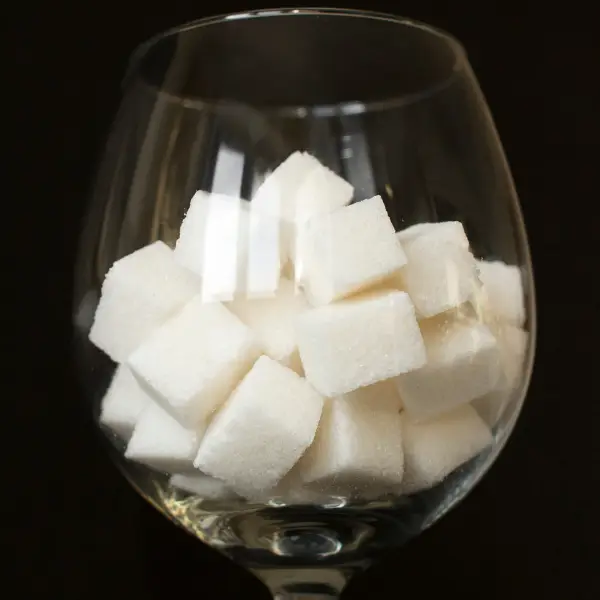

A friend recently converted to drinking white wine because they said it had less sugar. It bothered me because I thought that, in general, when wine is fermented, it effectively converts sugar into alcohol, leaving trace amounts of sugar…I decided to dig deeper.
Let’s start with the understanding that the amount of sugar in your glass of wine (regardless of color) could rival some sodas or be nearly negligible. Sugar in wine is a topic that often surprises people, whether they’re calorie-conscious or simply curious about what goes into their favorite bottle. From decadent dessert wines to crisp, bone-dry varietals, the sugar content can vary dramatically.
In this article, we’ll break down what sugar in wine means, the factors that influence it, and how you can choose the perfect wine based on sugar levels.
What Is Sugar in Wine?
Sugar in wine, often referred to as residual sugar (RS). This is the natural grape sugar left behind after fermentation. During the winemaking process, yeast consumes the sugar in grape juice to produce alcohol. There are two causes of RS:
- When the fermentation process is stopped early. This means that the yeast do not consume all the sugar so, some remains. This leads to a sweeter wine.
- Even if the fermentation is completed, the yeast does not digest some sugar types in grapes typically leaving 0.1g to 0.3g per liter of RS depending on the varietal. This is typically below the average person’s ability to taste. This is a dry wine.
Significantly, most quality wines don’t have added sugar. The sweetness you taste should come directly from the grapes and the winemaking process, not artificial additives. There is a process known as Chaptalization, where winemakers add sugar to grapes before fermentation to increase the alcohol content (i.e. more sugar turns into more alcohol during fermentation) but the two points above remain valid.
How we taste Sugar Content Vary in Wines?
Did you know you can have a sweet-tasting wine with very low sugar content? The alcohol content and temperature can augment the perception of sweetness. The higher these variables are, the more your senses will perceive sweetness. So you can have a dry wine that tastes sweet if the alcohol level dominates the other aspects of the wine, such as tannins and other phenolic contributions.
People generally start tasting sugar when there is 4 to 6 grams per liter.
- Less than 4 grams per liter sugar is usually not perceivable
- 4 to 12 grams per liter is where people start to perceive sweetness
- More than 12 grams per liter of sweetness is very perceivable, especially in low-acid wines
Acidity can mask the taste of the sugar (sweetness), and that is typically why people incorrectly think white wines such as Sauvignon Blanc do not contain sugar.
Why Does Sugar Content Vary in Wines?
Sugar content will vary amongst wines primarily due to how ripe the grapes were when harvested, the winemaker’s fermentation strategy, the wine style, and the influence of the climate where the grapes are grown.
Grape Ripeness
The sugar level in the grapes at harvest can directly affect the wine’s residual sugar. Riper grapes, often grown in warmer climates, naturally contain more sugar than those grown in cooler regions. This has the opposite effect on the acidity content of the grape (i.e., the warmer climates reduce acidity as sugar levels increase). What makes some wine regions better (partly) than others is that the growing season is warm and long enough to produce grapes with the perfect balance of sugar and acidity.
Fermentation Process
Winemakers have control over how much sugar remains in the wine. For instance, stopping fermentation early leaves more residual sugar, while allowing it to complete results in a drier wine. Fermentations are stopped early intentionally or not intentionally. Winemakers will generally do this intentionally to make sweeter or fortified wines. For large winemakers, when fermentation unintentionally does not finish, they sometimes blend the sweet wine with other wines that do fully ferment.
Wine Style
Certain wine styles are naturally sweeter due to winemaking traditions or consumer demand. Sweet wines, such as dessert wines, are intentionally crafted to retain higher levels of sugar. German Rieslings are grown in cold environments where the wine is typically too acidic for consumers so they will halt fermentation to have a level of sugar in balance with the acidity that is more appetizing for their consumers.
Climate Influence
Warm-climate regions, like California or Australia, tend to produce riper grapes with higher sugar content compared to cool-climate areas like Germany or New Zealand. This difference often translates into wines with varying sweetness levels. The cooler the climate, the more acidic it is, whereas the warmer the climate, the more sugar is produced in the grapes. The premium wines typically are places where the growing season is warm and long enough to bring the sugar and acid into balance…Burgundy, Napa, etc.
Which Wines Have the Most Sugar?
Some wines are intentionally designed to be sweet, making them a dessert-like treat. Following are a few types of wines that typically have the highest sugar content:
- Dessert Wines: Port, Sauternes, and Ice Wine can contain 100 to 200 grams of sugar per liter
- Sweet Sparkling Wines: Moscato d’Asti and Prosecco labeled “Extra Dry” (ironically, it’s sweeter than “Brut”) often range from 17 to 50 grams of sugar per liter
- Off-Dry White Wines: Some Rieslings and Gewürztraminers can have a noticeable sweetness, typically around 10 to 30 grams of sugar per liter.
A can of soda has about 39 grams of sugar, which means some sweet wines can exceed that amount in just a glass!
Which Wines Have the Least Sugar?
If you are looking to minimize sugar intake, there are many wines that offer a dry and low-sugar option:
- Dry Reds: Wines like Pinot Noir, Cabernet Sauvignon, and Merlot typically contain less than 1 gram of sugar per glass.
- Dry Whites: Sauvignon Blanc, Chardonnay, and Albariño are excellent choices with minimal residual sugar.
- Brut Sparkling Wines: Brut Champagne and sparkling wines often have less than 12 grams of sugar per liter, with “Brut Nature” containing less than 3 grams
How Sugar in Wine Affects Your Health and Lifestyle
Calories
Sugar directly impacts the calorie content of wine. A sweeter wine will naturally have more calories than a dry one. For example, a 5-ounce glass of dry wine might contain about 120 calories, while a sweet wine could have 160 or more.
Dietary Concerns
Low-carb and keto diets often focus on minimizing sugar intake. Dry wines, with less than 1 gram of sugar per glass, are usually safe options. For individuals with diabetes, monitoring sugar in wine is particularly important, though moderate consumption of dry wine is often permissible.
Hangovers
While sugar itself doesn’t cause hangovers, the combination of sugar and alcohol can exacerbate dehydration, potentially making hangovers worse. Opting for dry wines might help reduce this risk.
How to Choose the Right Wine Based on Sugar Levels
Read the Labels
Look for terms like “Dry,” “Off-Dry,” or “Sweet” on the label. “Brut” on sparkling wines indicates a drier style, while “Demi-Sec” or “Doux” signals sweetness.
Ask the Experts
When in doubt, ask your sommelier or wine shop staff for recommendations. They can guide you toward wines with low sugar content.
Use Wine Apps
Apps like Vivino or Wine-Searcher often include details about a wine’s sweetness level and style, making it easier to choose the right bottle.
Conclusion and Takeaways
Sugar levels in wine can vary widely, from bone-dry reds with negligible sugar to decadent dessert wines packed with sweetness. Understanding residual sugar and how it shapes the wine you drink allows you to make more informed choices. Whether you prefer a crisp, dry Sauvignon Blanc or a rich, sweet Port, there’s a wine for every palate and lifestyle.
Next time you’re choosing a bottle, consider the sugar content—your taste buds and health will thank you!