
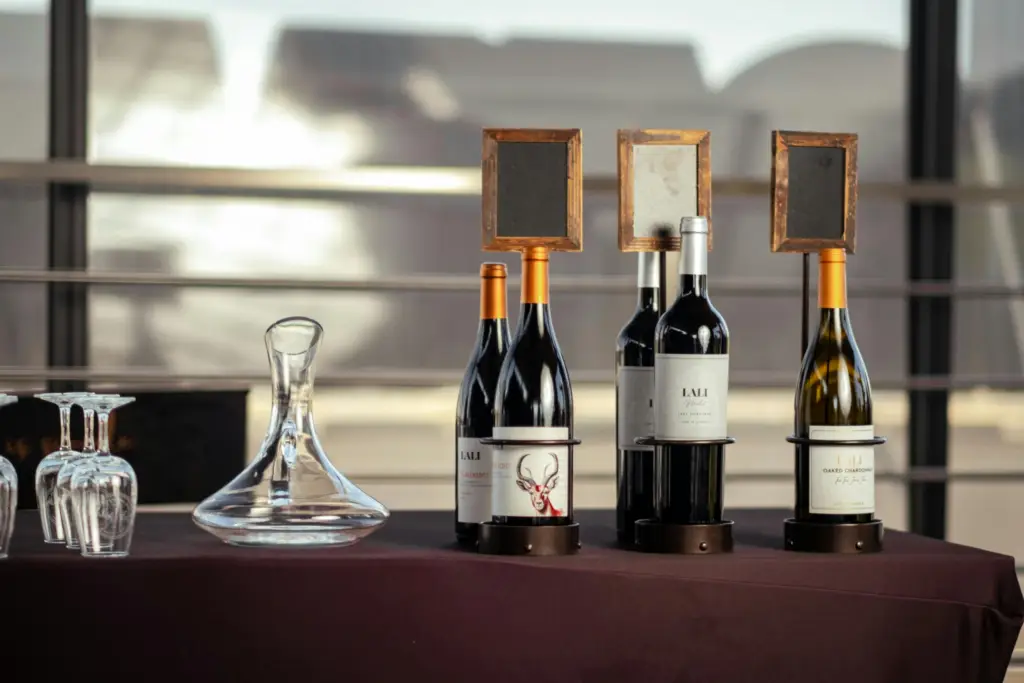
Decanting wine is an age-old practice that aims to improve the wine-drinking experience by improving aroma, flavor, and texture. Be it a cheap or expensive bottle, decanting can profoundly impact your wine experience for better or worse.
Whether you’re enjoying a bold red or a delicate aged vintage, proper decanting can make all the difference in the world. But what does decanting wine mean? Why should you do it? And how long should you wait before taking that first sip?
This guide covers everything you need to know about decanting wine for maximum enjoyment.
What Is Wine Decanting?
Decanting wine is the process of slowly pouring it from its bottle into another vessel, usually a glass decanter, to separate any sediment and allow oxygen to interact with the liquid. Oxygen’s interaction with wine causes reactions, such as oxidation, that change the wine’s aroma and taste.
Decanting serves two primary purposes:
- Sediment Removal—Older red wines and vintage ports often develop sediment over time, resulting in a gritty texture if poured directly into a glass. The sediment is usually not a health concern but can detract from the overall experience.
- Aeration: Oxygen exposure softens tannins, enhances aromas, and brings out complex flavors, especially in young, full-bodied red wines. However, too much exposure can flatten a wine, so it is important to know how much and for how long you want your wine exposed to oxygen. We will discuss this later.
Decanting vs. Aerating: While both processes expose wine to oxygen, decanting involves a slow, natural process, whereas aerators rapidly mix air into wine for instant results. If you can enjoy your wine over time, decanting allows you to experience how the wine evolves as it is exposed to oxygen. It also brings out subtleties in the wine that cannot be achieved with aeration. If time is not on your side and you need the wine to open up a bit then aeration is better than not doing anything.
The wines that typically benefit the most from decanting are young, tannic, aged containing sediment, or full-bodied white wines. For young and tannic wines such as cabernet sauvignon, Syrah, and Malbec, decanting will soften the wine, creating a better balance among the tannin, alcohol, and aromatic components. Older red wines commonly develop harmless sediment as they age that can be removed by decanting. Full-bodied white wines such as Chardonnay can develop through decanting as well.
Why Decant Wine? The Science Behind It
Wine is a living, evolving beverage; decanting helps it “open up” by allowing oxygen to interact with its compounds. When wine is exposed to oxygen, the tannins combine with oxygen (chemical reaction) and become less astringent. Also, sulfur dioxide and other less pleasant compounds evaporate, leaving behind more pleasant aromatics and flavors.
The sensory experience is altered by:
- Softening Harsh Tannins – Young, structured reds (like Cabernet Sauvignon and Syrah) can taste harsh straight from the bottle. Decanting helps mellow these tannins, making the wine smoother.
- Enhance Aromas and Flavors – Oxygen brings out hidden aromas in wine, allowing fruity, floral, and earthy notes to shine.
- Remove Unpleasant Smells – Some wines may have a “closed” or sulfur-like aroma upon opening, which can dissipate with decanting.
Prevents Sediment in Your Glass – Aged wines, especially those 10+ years old, may develop sediment that can affect texture and taste.
Misconceptions about Decanting Wine
Common misconceptions are abundant when it comes to decanting wine. For example, some erroneously believe that only old wines should be decanted or that decanting is simply to let a wine breathe.
Here is a rundown of the more common falsehoods:
Falsehood 1: Decanting is only for old red wines. While old red wines are eligible, as mentioned above, many other wines are also eligible.
Falsehood 2: All wines need to be decanted. Highly filtered, often cheaper wines not intended for aging do not often require decanting unless they have a heavy sulfur dioxide smell.
Falsehood 3: Decanting always makes a wine taste better. Some wines can go flat after too much exposure to oxygen. This is a risk with older wines and more delicate wines. With older wines, you may want to decant them to get the sediment out, but you need to keep an eye on them as they can go flat due to exposure to oxygen faster than a younger decanted wine.
There are many other falsehoods, but if I can make one point, it is that you should know why you are decanting and the science behind it so that you can get the most out of your wine.
How to Decant Wine: A Step-by-Step Guide
Decanting wine is simple but requires care to achieve the best results. The best teacher is experience. The more you experiment with decanting, the better satisfied you will be when you do it. There is only so much instructions can teach, and, as is common with many aspects of wine, experience is the best teacher.
To get started, follow these steps:
Step 1: Choose the Right Decanter
- For young wines, use a wide-bottomed decanter to expose more surface area to air.
- For aged wines, use a narrower decanter to limit oxygen exposure.
Step 2: Stand the Bottle Upright (for Aged Wines)
- If the wine has been stored horizontally, place it upright for a few hours to allow sediment to settle at the bottom.
Step 3: Pour Slowly and Carefully
- Hold the bottle at a 45-degree angle and pour gently into the decanter to avoid disturbing sediment.
- Stop pouring if you see sediment reaching the bottle’s neck.
Step 4: Using a Candle for Decanting (Optional…and fun)
- Place a candle or light source under the bottle’s neck to spot sediment while pouring. This classic technique is especially useful for older wines.
Step 5: Let the Wine Breathe
- Allow time for oxygen to interact with the wine before serving. The next section covers how long you should wait.
How Long Should You Decant Wine?
General guidelines for decanting times are:
- Young, Full-Bodied Reds (Cabernet Sauvignon, Syrah, Malbec) – 1 to 2 hours.
- Medium-Bodied Reds (Merlot, Grenache, Sangiovese) – 30 minutes to 1 hour.
- Aged Reds (10+ years, Bordeaux, Barolo, Rioja, Burgundy) – 20 to 30 minutes (over-decanting can cause flavors to fade).
- Whites and Light Reds (Pinot Noir, Gamay, Chardonnay) – Typically not needed, but 15-30 minutes can enhance aroma.
A good rule of thumb: Taste the wine periodically to determine when it’s ready. Experience will allow you to fine-tune these times to your preferences, different types of wine, and varying conditions (i.e., old, astringent, full-bodied, etc.).
Conclusion
Decanting wine is a simple yet powerful way to enhance its flavor, aroma, and texture. By understanding how and when to decant, you can elevate your wine experience and enjoy each bottle at its best. Whether you’re using a classic candle technique or opting for a modern aerator, the key is to experiment and find what works best for your favorite wines.
Now it’s your turn! Try decanting a bottle tonight and taste the difference for yourself. Cheers!