
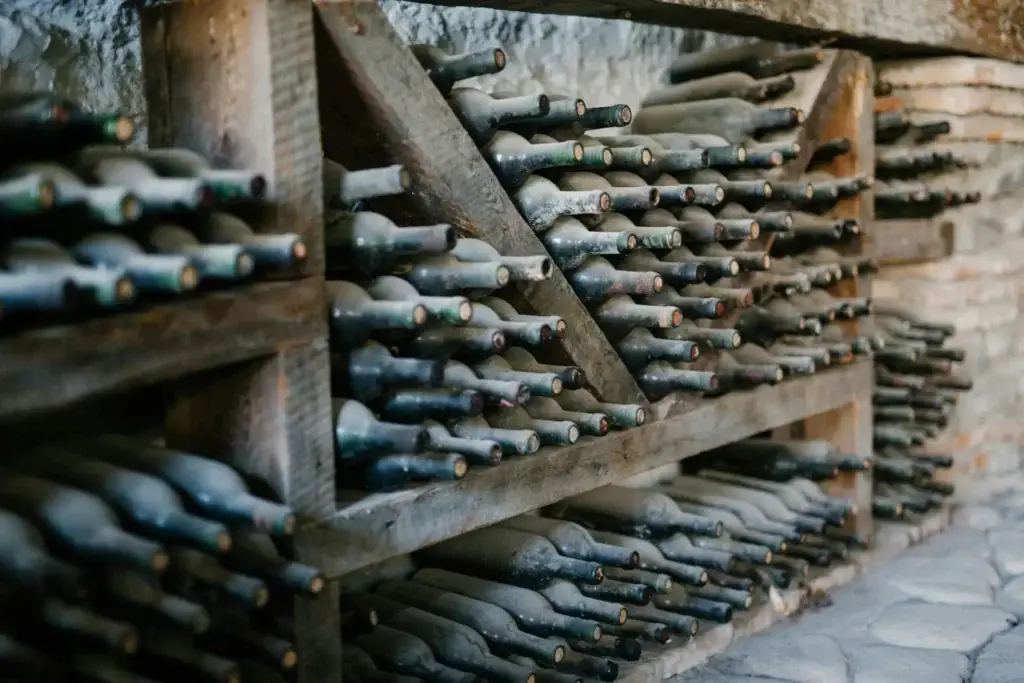
Can wine go bad? It’s a question many wine lovers ponder when they find a long-forgotten bottle in the back of their cupboard. Simply put, yes, wine can go bad. Naturally, understanding why this happens, how to spot the signs, and how to store wine properly can help you avoid pouring good wine down the drain. This will also help to answer the age-old question: how long should I cellar a wine?
Does Wine Really Go Bad?
Yes, wine can absolutely go bad. It’s important to distinguish between wine aging and wine spoiling. Wine’s ultimate journey is to become vinegar. Aging can enhance a wine’s flavor and complexity along this journey, but when wine spoils, it becomes undrinkable.
Aging is about nurturing the wine in conditions that prevent microbial infestation over time. During this time, the cellular structure of some components within the wine breaks down or bonds. This results in a mellowing out of the wine and the development of aroma and flavors. If a wine is aged too long, it becomes completely flat and ultimately vinegar.
Strangely enough, there are characteristics of spoilage that some wine lovers appreciate. Brettanomyces is an excellent example of this. As it is often casually referred to, Brett is a yeast that can spoil wines. Some winemakers (typically in Europe) use it to enhance the wine. While most wine drinkers say it smells like a stinky barnyard…to each their own!
Spoilage is typically a wine infected by microbes, resulting in undrinkable wine. For beginners, it’s a moment you recognize instantly by taste or smell. It becomes quite offensive. Spoilage can be caused by many things, such as growing practices, wine-making, bottling, and storage conditions. The bottom line is that both opened and unopened wine bottles are susceptible to spoilage under the wrong conditions.
How to Tell If Wine Has Gone Bad
Appearance
- Bubbles: Presence of bubbles when there shouldn’t be any
- Cloudiness or Sediment: While sediment is natural in aged wine, unexpected cloudiness can signal spoilage.
- Discoloration: Red wines may turn brick-brown, while white wines can darken to a deep yellow or brown. While the change in color is an indicator, it should not result in a conclusion. For example, I had a 40-year-old Vouvray that was almost brown and drank wonderfully. But if you see this in a wine that is less than three years old, something is wrong.
Smell
- Vinegar-Like Odor: A strong smell of vinegar or nail polish remover indicates oxidation or bacterial contamination.
- Musty or Wet Cardboard Smell: This often means the wine is corked, a result of TCA contamination (rarer today than is was a decade ago).
Taste
- Sour or Bitter Taste: Spoiled wine can taste overly acidic or bitter.
- Flat or Dull Flavors: If the wine has lost its complexity and tastes flat, it may have oxidized.
Why Does Wine Go Bad?
Oxidation: When wine is exposed to oxygen, its chemical structure changes. Over time, oxygen breaks down the wine’s compounds, resulting in flat, lifeless flavors.
Bacterial Contamination: Acetic acid bacteria can turn wine into vinegar. This typically happens when wine is exposed to oxygen for too long.
Heat Damage: (AKA Wine Cooked) High temperatures can cause the wine to develop a cooked or stewed fruit flavor profile. Heat can also push the cork out slightly, allowing oxygen to seep in. This is often why wineries do not ship wine during the summer.
Light Exposure: Light, especially UV rays, can degrade wine’s delicate compounds, leading to a condition known as “lightstrike,” where aromas and flavors are compromised. This is why premium wines are often placed in dark green bottles.
Cork Failures and Storage Issues: Corks can dry out over time, allowing oxygen to infiltrate the bottle. Poor storage conditions, such as low humidity and high temperatures, also increase this risk. Microdoses of oxygen are often viewed as a key element to successfully aging wines. Generally speaking, exposure to oxygen during aging is the enemy of good wine.
How Long Does Wine Last Before Going Bad?
The two significant conditions of the wine to determine how long it will last before going bad is whether the bottle is opened or not opened. An open bottle of wine can last from 3 to 30 days whereas an unopened bottle can last from 1 to 40 years (in rare cases even longer). As you likely have become familiar with in your wine journey, a recurring theme in wine is that there is no clear answer here. It is good to have a base line for comparison so let’s start with that.
Opened bottles will last as follows:
- Red, White & Rose: 3 days
- Sparkling will last 3 days but the bubbles often go flat a few hours after opening.
- Fortified wines such as port will last about a month
Unopened bottles: This is a more delicate question to answer. As a general rule for the typical wine you may pick up at the grocery store, I would stick with 2 to 3 years unless it is fortified and it can be 20 years. At the far end of the spectrum there are other great wine producers where the wine can be stored 10+ years without spoiling.
Premium Napa Valley red wines can go 5 to 10 years in the bottle, whereas epic wines such as Harlan Estates and Screaming Eagle can go beyond 20 years. French wines, both red and white, from Bordeaux and Burgundy can go 20+ years.
When it comes to Rose’s, I generally recommend not aging them, as the spirit of them is to be fresh and acidic.
The great part of the wine journey is that experience and personal preference serve as the best guides. It’s even better when you can share this journey with others because they can give you insights from their experience. The challenge is for you to decipher all of this to be in a place where you can rely on your own judge
How to Keep Wine from Going Bad
Light, oxygen and temperature have the most significant influence on whether or not your wine will be spoiled. Following are some precautionary measures you can take to avoid spoiling your wine:
- Store at the Right Temperature: Keep wine between 45-65°F (7-18°C). Fluctuations in temperature can be more harmful than temperature.
- Limit Light Exposure: Store bottles in a dark place or a wine fridge. UV rays can pierce the bottle and alter the wine.
- Maintain Humidity: Aim for 50-70% humidity to prevent cork drying. If corks dry out then too much oxygen will get into your wine and increase the risk that it will spoil.
- Use Wine Preservation Tools: Vacuum pumps and inert gas systems can help extend the life of opened bottles.
- Store Bottles Horizontally: This keeps the cork moist, preventing oxygen from invading. You will inevitably hear that microdoses of oxygen through the cork help to develop the wine but please understand that this is very small
- Age wine in large format bottles: The head space in a bottle of wine is the distance from the fill line to the bottom of the cork. In the head space is room for oxygen. The ration of oxygen to wine is significantly less in larger bottles than it is for standard 750ml bottles. If you want to age your wines longer, large format bottles help to reduce the risk of spoilage due to the lower ration of wine to oxygen exposure.
Can You Still Drink Wine That’s Gone Bad?
Drinking spoiled wine is usually safe but not enjoyable. Spoiled wine often tastes vinegary or flat. While it’s not ideal for sipping, slightly spoiled wine can still be used for cooking, especially in stews or sauces. That said, I live by the rule, if you wouldn’t drink it then don’t cook with it.
Conclusion
Wine can go bad, but with proper storage and handling, you can extend its lifespan and enjoy every last drop. It is important to emphasize that there are many guidelines, but nothing can top your personal experience in defining your preferences. Whether it’s learning to recognize the signs of spoilage or investing in the right preservation tools, taking care of your wine ensures that your next pour is as delightful as the first.